-
Dog vaccinations protect against serious diseases including parvovirus, distemper, and kennel cough, and are a core responsibility of pet ownership in Australia.
-
Puppies follow a staged schedule starting from 6-8 weeks, with adult dogs requiring ongoing boosters.
-
Your vet will tailor the right vaccine type (C3, C5, or C7) to your dog’s age, lifestyle, and local environment.
Keeping your dog’s vaccinations current is one of the most practical things you can do to protect their long-term health and the safety of other animals in your community.
Dog vaccinations are one of the most important parts of keeping your pet healthy. In Penrith, dogs often mix at busy off-leash parks along the Nepean River, spots like Jamison Park, and local boarding facilities — that active social lifestyle increases exposure to infectious diseases, making an up-to-date vaccination programme especially important. If you are looking for dog vaccinations In Penrith from an experienced local team, understanding what vaccines are available and when they are needed will help you make confident decisions.
Core vs Non-Core: Understanding the Australian Vaccine Tiers
The Australian Veterinary Association (AVA) categorises recommended dog vaccinations into “core” and “non-core” vaccines. Core vaccines are recommended for all dogs to protect them against severe and life-threatening diseases, and include vaccines for canine distemper virus, canine parvovirus, and canine adenovirus (hepatitis) — commonly known as the C3 vaccination.
The AVA supports administration of core vaccines to all companion animals to protect them against severe, life-threatening diseases that have a global distribution. Non-core vaccines, by contrast, are recommended based on your dog’s individual circumstances.
Australian vets recommend vaccines based on a tiered system. C3 is the core vaccine recommended for all dogs, protecting against canine parvovirus, canine distemper, and infectious canine hepatitis. C5 adds Bordetella bronchiseptica and Parainfluenza virus — the two main causes of kennel cough. C7 extends coverage to include two strains of leptospirosis, a bacterial infection dogs may pick up from contaminated water or wildlife.
Here is a quick comparison to help you understand the differences:
|
Vaccine |
Diseases Covered |
Typical Requirement |
|---|---|---|
|
C3 |
Parvovirus, Distemper, Hepatitis |
All dogs |
|
C5 |
C3 + Kennel Cough (2 strains) |
Boarding, daycare, dog parks |
|
C7 |
C5 + Leptospirosis (2 strains) |
Dogs near waterways or wildlife |
Most boarding kennels and doggy day care facilities in the Penrith area require a current C5 at minimum. Dogs that visit off-leash areas regularly or swim in natural waterways may benefit from C7. Dogs with limited contact with other animals may be fine with C3 alone.
The Australian Puppy and Adult Dog Vaccination Schedule
The standard Australian puppy vaccination schedule, as set out by the Australian Veterinary Association (AVA) and aligned with WSAVA global guidelines, is three rounds of core vaccinations across the first 16 weeks of life.
Veterinarians across Australia follow a standard puppy vaccination schedule, typically at 6-8 weeks, 10-12 weeks, and 14-16 weeks, with boosters annually or triennially.
Your puppy is at risk from parvovirus until one week after their final vaccination at 14-16 weeks, so dog parks and high-traffic areas are off the table until then. Social isolation has its own risks, however, as puppies have a critical socialisation window that closes around 12-16 weeks.
For adult dogs, the schedule becomes less intensive but remains essential. According to the Australian Veterinary Association’s vaccination policy, veterinarians will decide whether annual or triennial boosters will be used after considering the animal’s lifestyle and other risk factors, and discussing the decision with the owner.
Most Australian boarding facilities and daycare operators require a current C5 as a condition of entry. The kennel cough component needs annual boosting even when core vaccines move to a triennial schedule.
What to Expect at a Vaccination Appointment
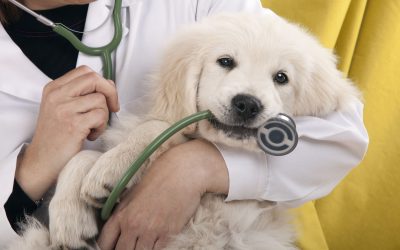
A vaccination visit is more than just a needle. Your vet will thoroughly examine your pet and check for any signs of illness or injury during a routine check-up, and will also update their vaccinations and perform any necessary tests.
Every pet is different, and a good vet will work with you to create a personalised vaccination plan that is right for your pet. Factors like age, breed, local environment, and how much time your dog spends around other animals all influence which vaccines are appropriate and how often they should be given.
After vaccination, mild side effects can occur. Most dogs experience mild side effects like soreness or lethargy, which resolve within a couple of days. If symptoms persist or seem severe, contact your vet promptly.
Proof of vaccination (official vaccination certificate) is often necessary to register your dog, renew council registration, or access public facilities. Keeping your records organised saves time and ensures your dog is never turned away from boarding or daycare.
Frequently Asked Questions
When should my puppy have their first vaccination? Puppies usually begin their core vaccinations from six to eight weeks of age, then receive further core vaccinations every two to four weeks until they are at least 16 weeks old.
Do adult dogs really need annual boosters? Non-core vaccines typically require annual boosters, while core vaccines may be administered every three years, depending on your vet’s recommendation. Always confirm the right schedule with your vet based on your dog’s individual profile.
What happens if my dog misses a scheduled vaccination? Do not try to work out a catch-up schedule by yourself. What happens next can depend on your pet’s age, what vaccines they have previously received, and how long it has been since their last vaccination. Contact your vet to discuss the best course of action.
Is the C5 vaccine required for boarding? Boarding facilities, doggy daycares, and catteries require proof of up-to-date vaccination as a non-negotiable entry condition. A C5 is the standard minimum requirement at most facilities in NSW.
Book a Vaccination Appointment in Penrith
Staying on top of your dog’s vaccination schedule is straightforward with the right support. Orchard Hills Veterinary Hospital offers dog and pet vaccinations as part of a broader range of health services for dogs, cats, and small animals across the Penrith district. A free digital Pet Passport app is also available to help you manage your pet’s vaccination and healthcare records from your mobile phone, and can assist with reminders for medications, vaccinations, and parasite control. Call the clinic on 02 4736 2027 or book online to arrange your dog’s next vaccination appointment.