In brief:
-
Pool repair costs in Australia typically range from $4,000 to $20,000 for resurfacing, depending on the pool’s size, material, and condition, according to a 2026 Australian cost guide.
-
Common fixes include fibreglass gelcoat resurfacing, concrete pool resurfacing, liner conversions and epoxy repainting rather than general plumbing or equipment repairs.
-
Surface condition, pool age and material type are the main factors that determine whether a pool needs a minor patch or a full resurface.
Pool repair generally means restoring a damaged or ageing pool surface rather than fixing pumps, filters or plumbing, and the right fix depends on whether the shell is fibreglass, concrete or vinyl liner. For homeowners researching pool repair options, the first step is usually identifying whether the surface itself is the problem or whether the underlying shell has suffered structural damage.
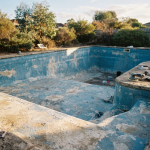
Surface issues such as fading, chalking, blistering or hairline cracks are common in fibreglass and concrete pools exposed to long periods of sun and fluctuating water chemistry. Once gelcoat or render begins breaking down, water can seep behind the surface and cause further deterioration if left unaddressed. Addressing these problems early typically costs less than waiting until structural repair becomes necessary.
How Pool Surface Damage Develops
Fibreglass and concrete pools age differently, but both rely on an intact surface layer to stay watertight and visually sound.
-
Fibreglass pools develop gelcoat fading, chalking or osmotic blistering as the protective coating wears down over years of UV and chemical exposure.
-
Concrete pools develop surface roughness, hollow spots or cracking as render ages and reacts with pool chemicals.
-
Vinyl liner pools wear out through tearing, fading or loss of elasticity, usually requiring full liner replacement rather than patch repairs.
Industry pricing guides indicate worn interior surfaces with a sound shell typically cost $4,000 to $20,000 to resurface, while fibreglass pools with fading or chalking gelcoat but no osmosis generally run $5,000 to $9,000 for a gelcoat respray. More advanced fibreglass problems cost more: osmosis blisters across several walls can require $12,000 to $20,000 or more including grind-back and relaminating work.
Comparing Common Pool Repair Options
The table below outlines typical approaches for addressing a damaged or outdated pool surface, based on published 2025-2026 Australian cost guides.
|
Repair Type |
Typical Cost Range (AUD) |
Best Suited For |
|---|---|---|
|
Epoxy repainting |
From $5,000 |
Concrete pools with surface wear, no structural issues |
|
Fibreglass gelcoat resurfacing |
$5,000-$9,000 |
Fading, chalking or light blistering on fibreglass shells |
|
Full fibreglass resurfacing/conversion |
From $12,000 |
Significant gelcoat damage, liner conversions, or concrete-to-fibreglass changes |
|
Structural repair (grind-back, relaminating) |
$12,000-$20,000+ |
Osmosis across multiple walls or deeper laminate damage |
These figures are indicative only, since published ranges come from vendor or marketplace sources rather than a formal survey. Getting a site-specific assessment remains the only reliable way to confirm cost for a particular pool.
When Resurfacing Makes Sense Versus Replacement
Not every damaged pool needs the same level of intervention, and understanding the difference helps avoid paying for work that will not hold up long term.
-
Minor fading, chalking or small surface cracks on a structurally sound shell are strong candidates for resurfacing.
-
Moderate osmosis or blistering limited to isolated areas can often be treated with targeted grind-back and recoating.
-
Widespread delamination, major cracking or shell movement signals a deeper structural problem, and a resurface applied over a failing shell has been reported to fail again within a short period in some specialist accounts.
Any renovation work in Western Australia should also account for safety barrier compliance, since the WA Department of Energy, Mines, Industry Regulation and Safety confirms that private pools deeper than 30cm must maintain a compliant safety barrier regardless of resurfacing work carried out. Perth’s climate, with prolonged UV exposure and seasonal temperature swings, tends to accelerate gelcoat and render wear compared with cooler regions, making periodic surface inspection a practical habit for pool owners across Perth, WA.
Based in Kallaroo, WA, pool resurfacing and conversion work covered in this guide is carried out for clients across Perth, WA, reflecting the geographic spread typical of trade services operating from a fixed base. Resurfacing specialists working with fibreglass pools generally apply branded protective coatings designed for UV resistance, since harsh WA sun conditions place additional stress on gelcoat finishes compared with more temperate climates.
Frequently Asked Questions
How do I know if my pool needs resurfacing or just a repaint? Light fading or chalking with no blistering can often be addressed with repainting, while visible gelcoat blisters, rough patches or cracking usually indicate resurfacing is needed to restore a watertight, even surface.
Does pool repair cost more for larger pools? Yes, cost scales with surface area and material volume, and larger pools generally sit at the higher end of published cost ranges due to increased labour and material requirements.
Can a damaged concrete pool be converted to fibreglass instead of resurfaced? Concrete-to-fibreglass conversion is one option used when a concrete shell has repeated surface problems, offering a different long-term surface material rather than repeated resurfacing cycles.
Is pool repair different from general pool maintenance? Yes, repair and resurfacing address physical surface or structural damage, while maintenance covers routine tasks like water testing, cleaning and equipment servicing, which are typically handled as separate services.
Looking Into Local Options
Published details for Perth Pool Reborn cover the service area relevant to pool resurfacing enquiries. Readers comparing options for addressing a worn or damaged pool surface can use the cost ranges and repair categories above as a starting reference point before seeking a site-specific assessment.